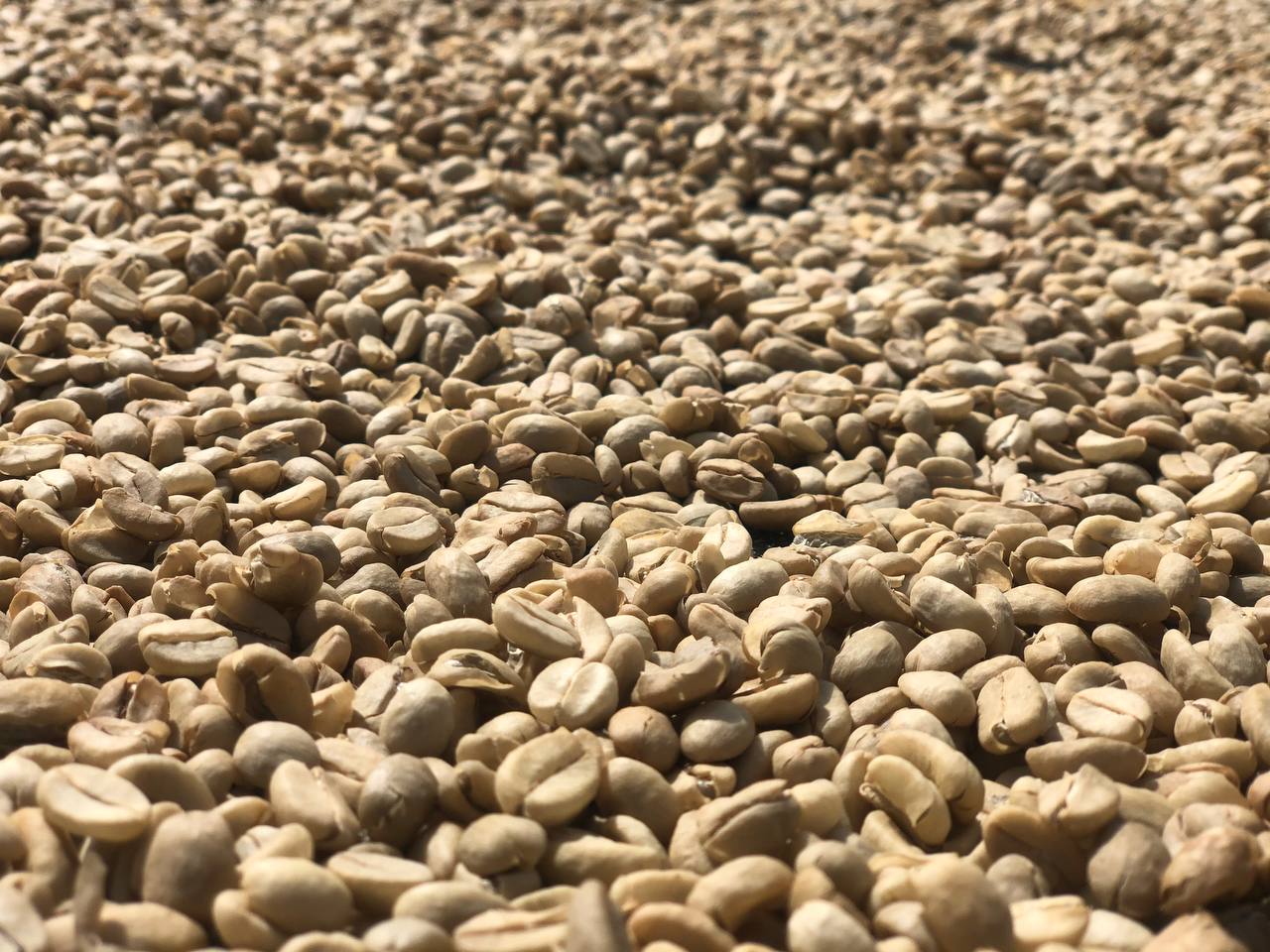
Sidama Bensa — Washed
Fully washed coffee from Welle Magado, fermented in our tanks, cleaned in our channels and slowly dried on raised beds at 1,900 m.
Cup notes Floral, citrus, black tea
View coffee details
Why Bena Coffee
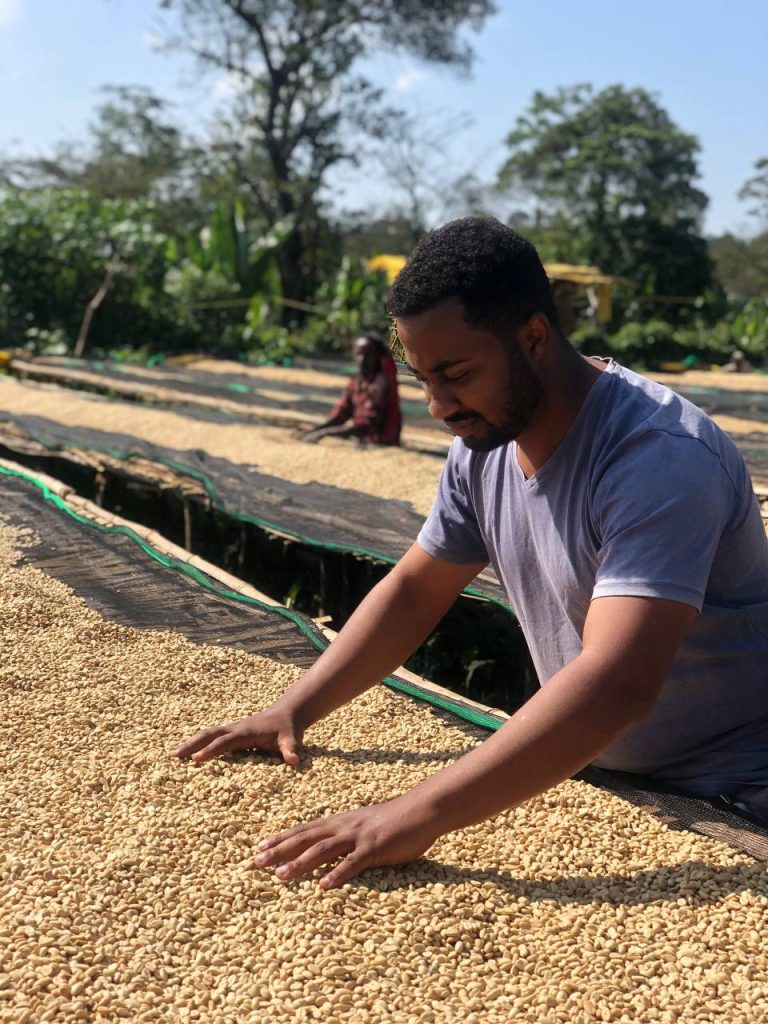
We don’t buy coffee commercially. Every lot we export is processed at our own washing station or at partner sites we support directly with planning, quality control and management.
That vertical integration means consistent quality for buyers and a clear, documented origin for every bag.
Our products
Fully washed coffee from Welle Magado, fermented in our tanks, cleaned in our channels and slowly dried on raised beds at 1,900 m.
Cup notes Floral, citrus, black tea
View coffee details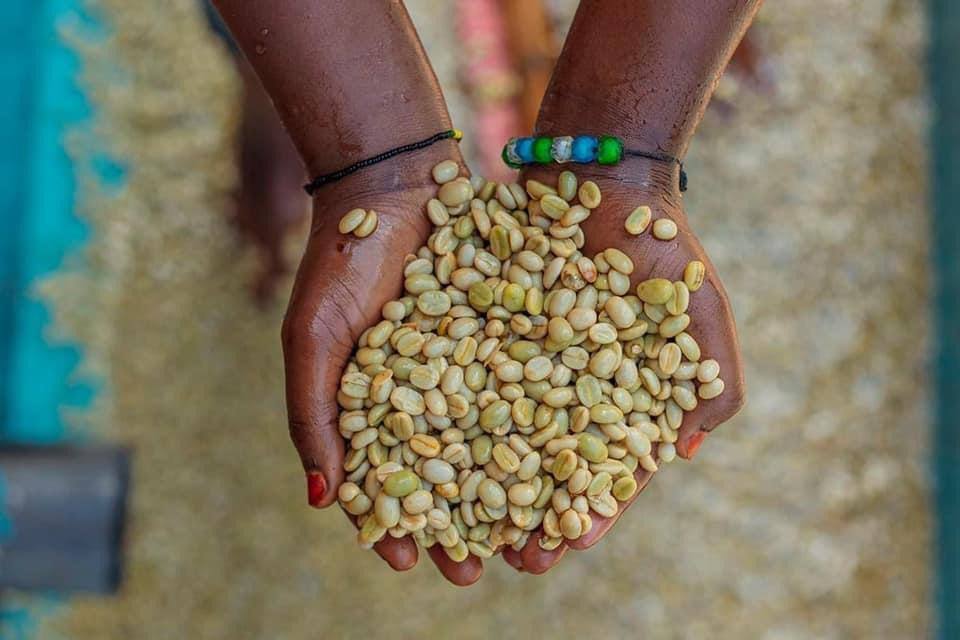
Whole cherries dried slowly on raised beds for a sweet, fruit-forward cup with the same full traceability as our washed lots.
Cup notes Berry, stone fruit, cocoa
View coffee details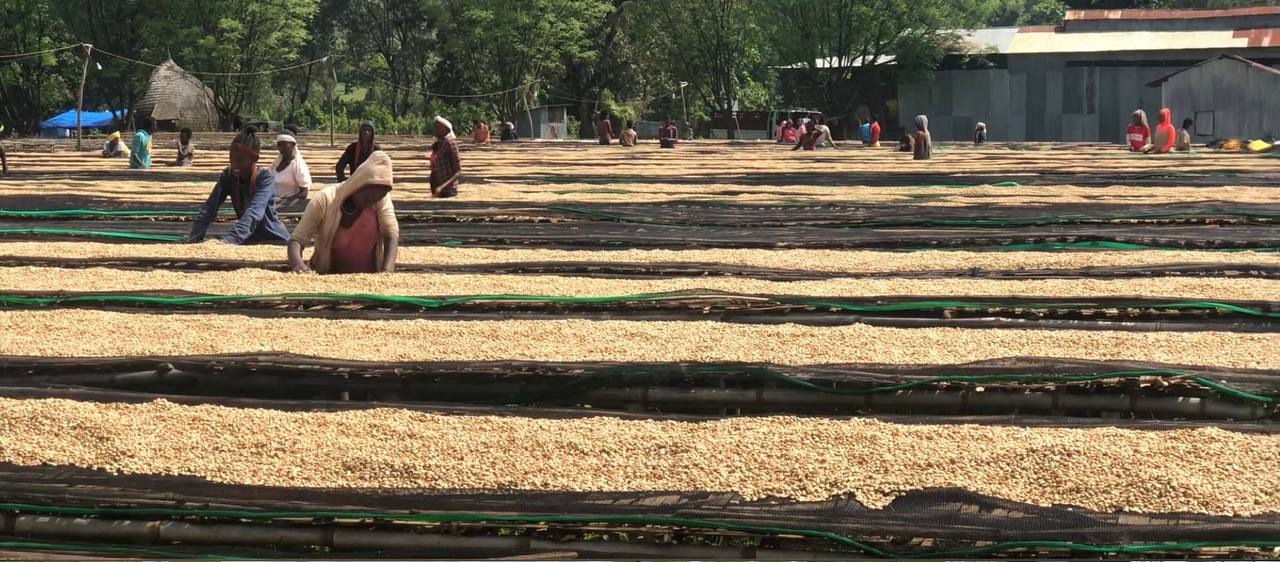
Coffee from our vertically integrated sites, where we lead planning, quality control and management so every lot meets buyer requirements.
Cup notes Varies by lot — samples on request
View coffee details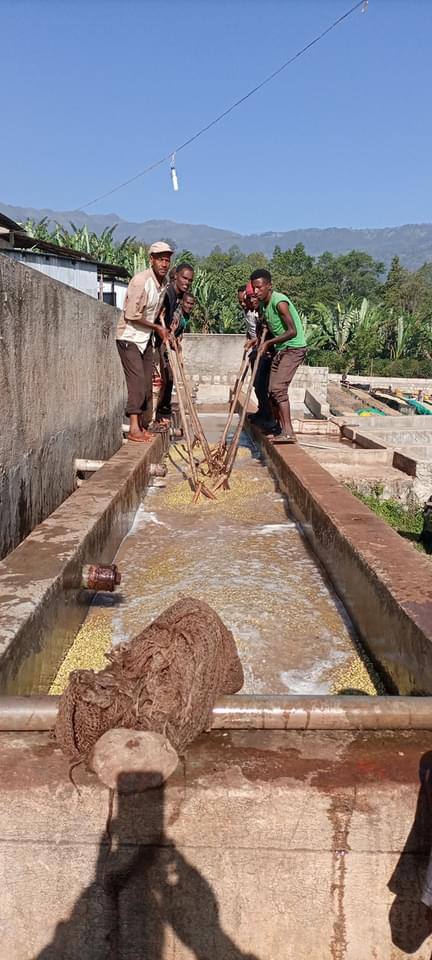
Welle Magado Washing Station
Our wet mill spans 3 hectares in Hokko Woreda, Bensa, with a capacity of 5,000 kg of cherry per hour. Loam soil, an average of 18ºC and 1,208 mm of annual rain give coffee from this area its distinct flavour and aroma.
From cherry to export
Follow our coffee from the tree in Bensa to a sealed, traceable lot ready for your roastery.
 01
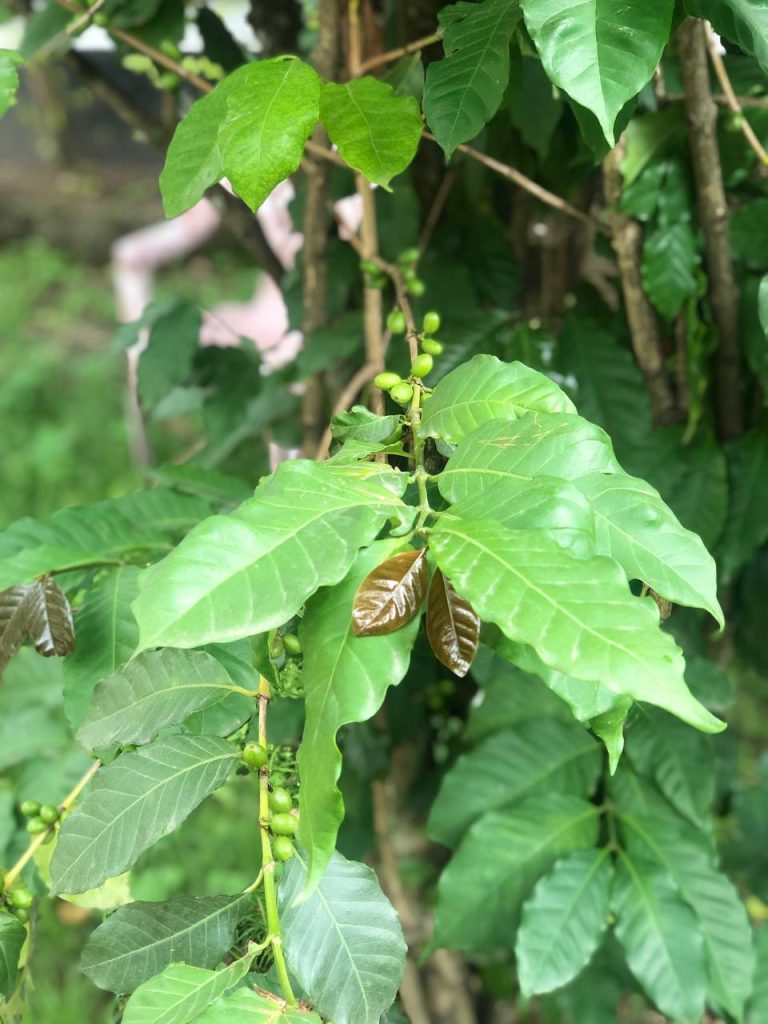
In the highlands of Bensa, at around 1,900 metres, cherries ripen slowly in an average of 18ºC on rich loam soil — the source of the distinct flavour and aroma of our coffee.
 02
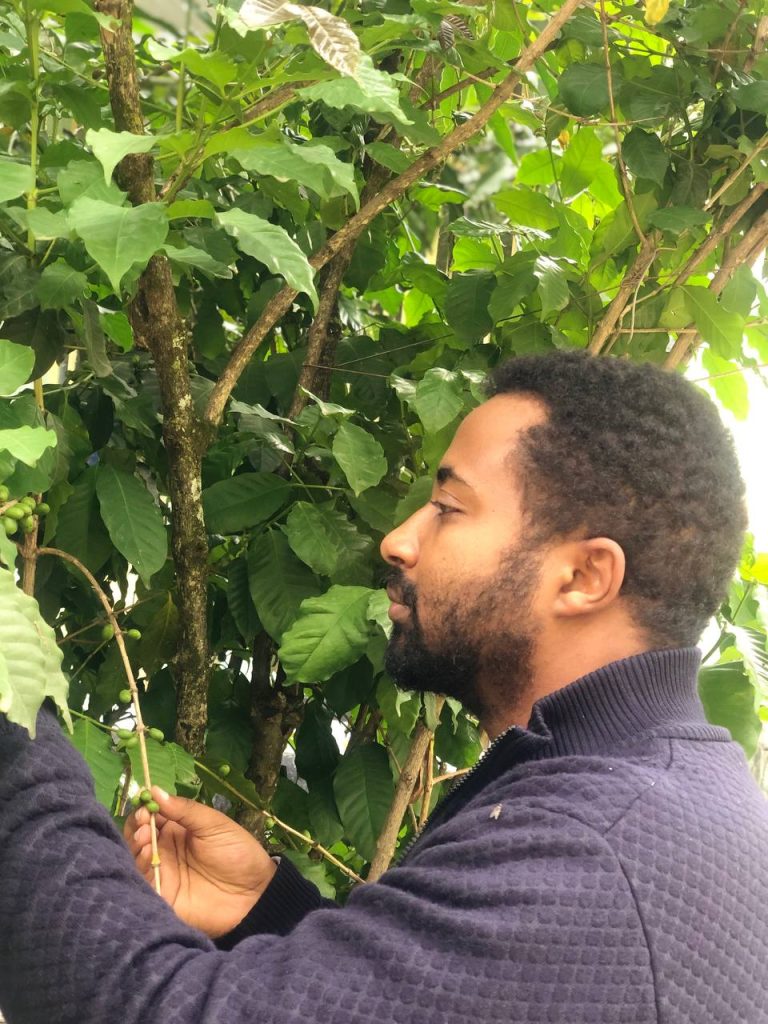
Around 150 local smallholder farmers selectively handpick ripe cherry and deliver it to our washing station during the harvest season.
03
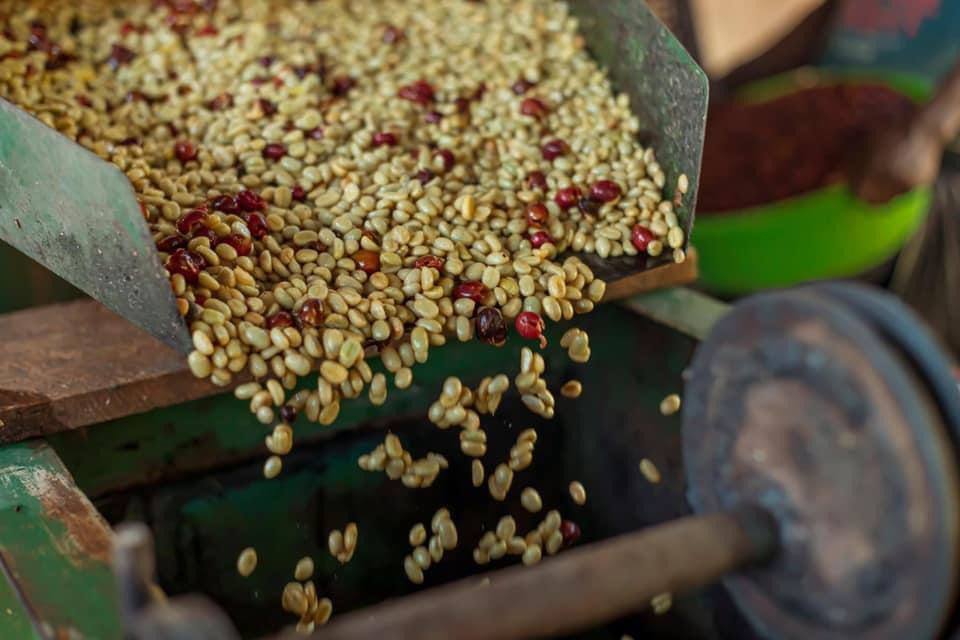
Cherry is sorted on arrival and pulped the same day. Our wet mill can process up to 5,000 kg of cherry per hour.
04
The beans ferment in our tanks, then are washed and graded in the channels, where our team works the coffee with wooden rakes.
 05
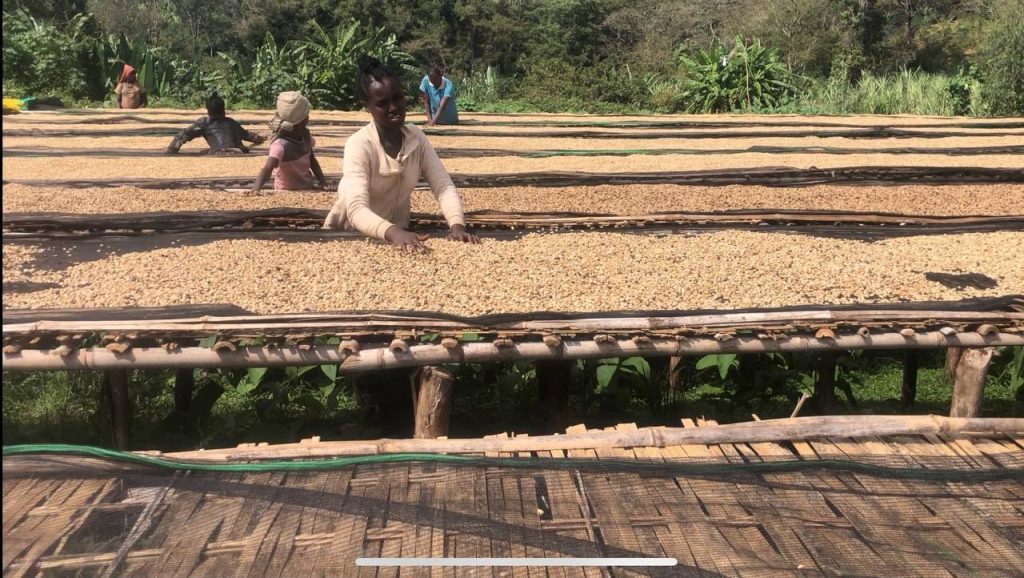
Our 250 seasonal workers — 200 of them women — spread the parchment on raised beds and turn it by hand until it reaches the ideal moisture.
06
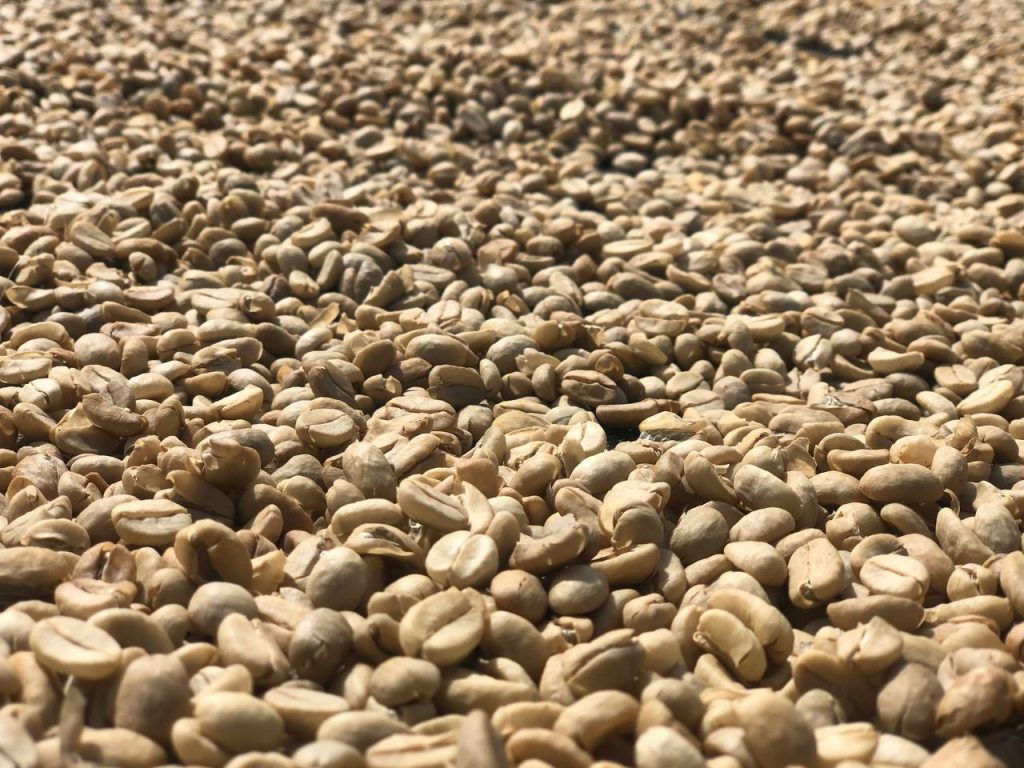
Every bed is checked and hand sorted. Defects are removed so only clean, even coffee moves on.
 07
Rested, hulled, graded and bagged — each lot traceable all the way back to Welle Magado.
Shaping an industry
Our washing station creates work weeks before the first cherry arrives and gives around 150 smallholder farmers a dependable market for quality cherry.
From the blog
Welcome to WordPress. This is your first post. Edit or delete it, then start writing!
Read more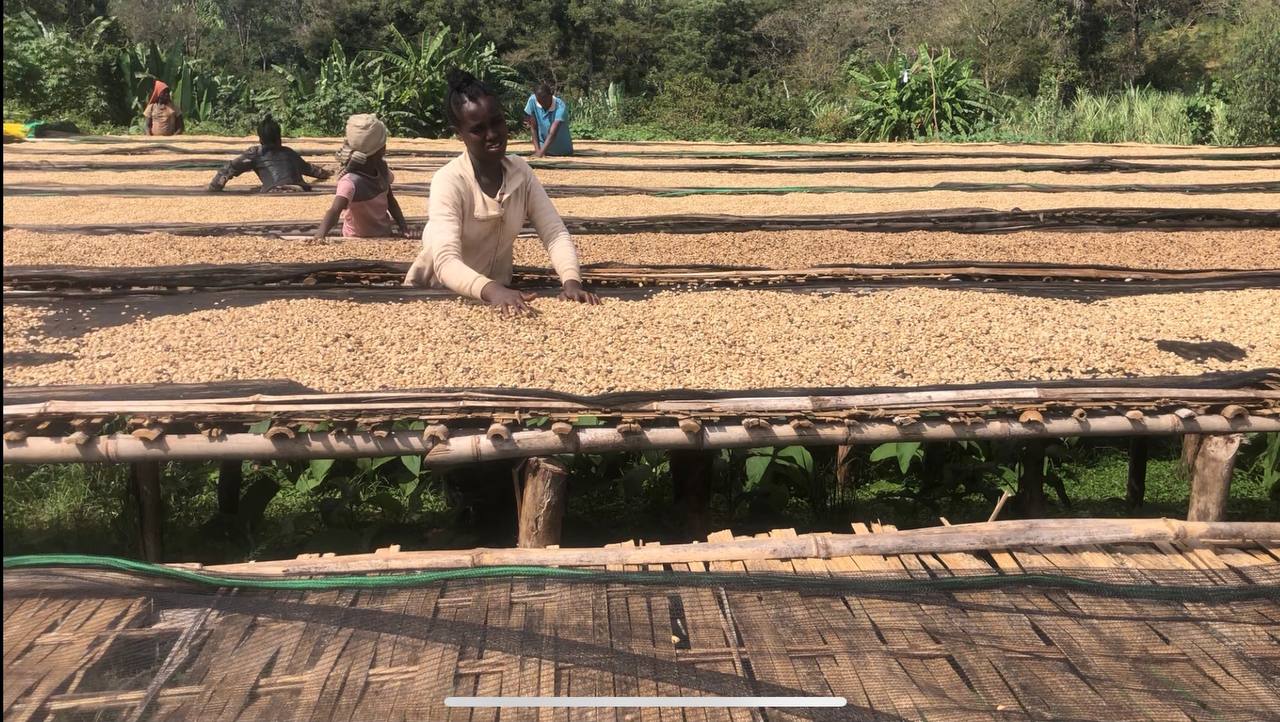
Every harvest our washing station in Welle Magado creates 250 seasonal jobs — 200 of them held by women — and a reliable market for 150 smallholder farmers.
Read more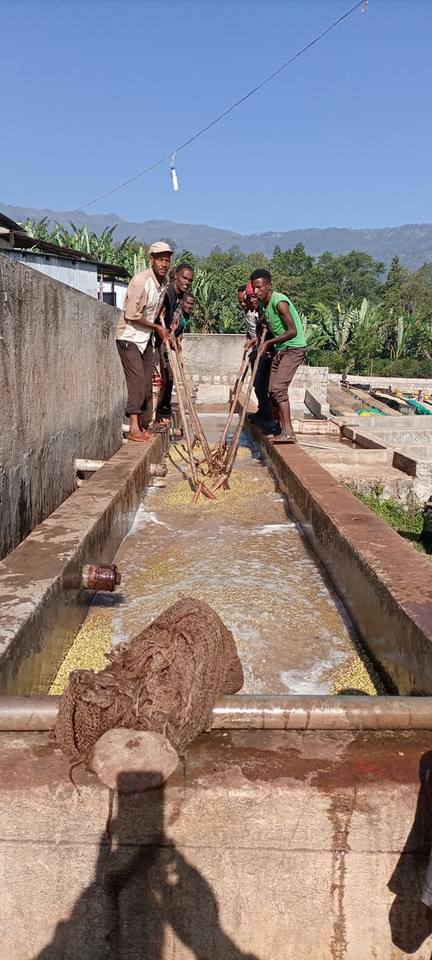
A walk through how handpicked cherry becomes export-ready green coffee at our 3-hectare wet mill in Bensa.
Read more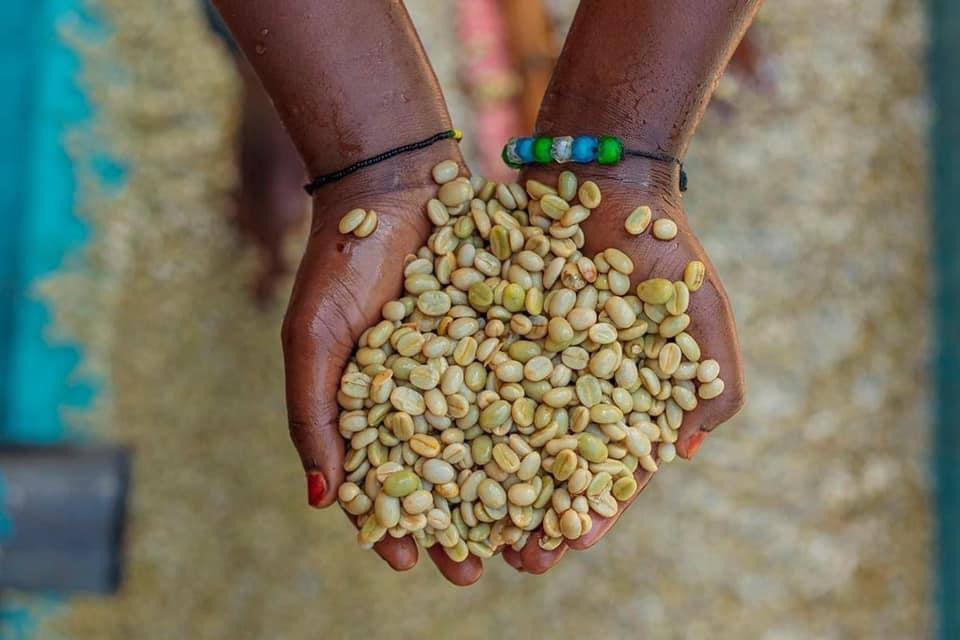
Get in touch
Tell us what you’re looking for — samples, lot availability or a visit to Welle Magado — and we’ll reply within two business days.